Camping Safety Tips for Minnesota Families
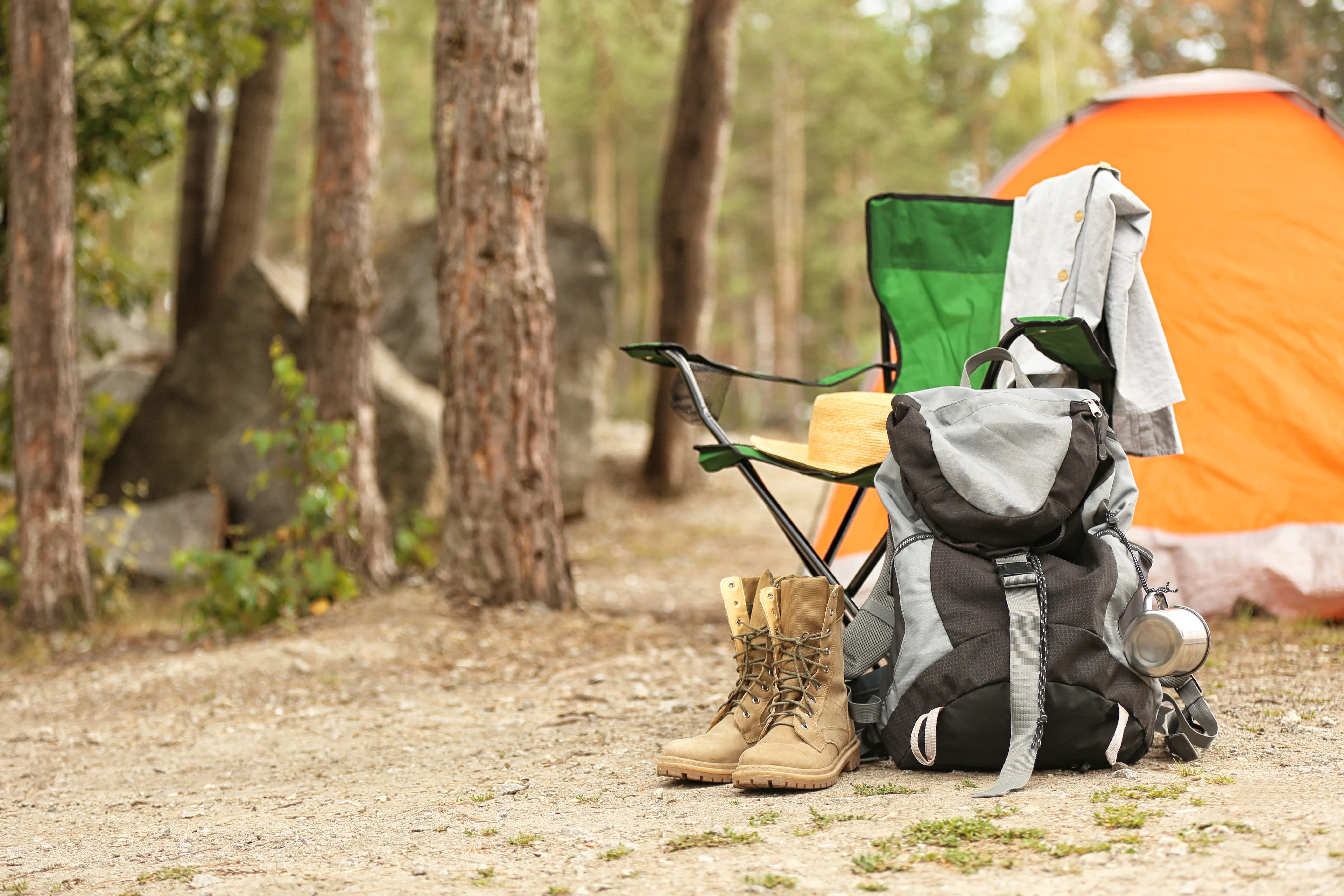
Minnesota’s parks, forests, and lakes make camping a summertime favorite, but a safe trip starts with knowing the most common risks.
Around campsites, campfires and grills can cause burns, and portable heaters or generators can create dangerous carbon monoxide buildup in enclosed spaces.
Knives and axes used for food prep and wood splitting can cause lacerations, while uneven terrain, roots, and wet rocks can lead to slips, trips, and falls.
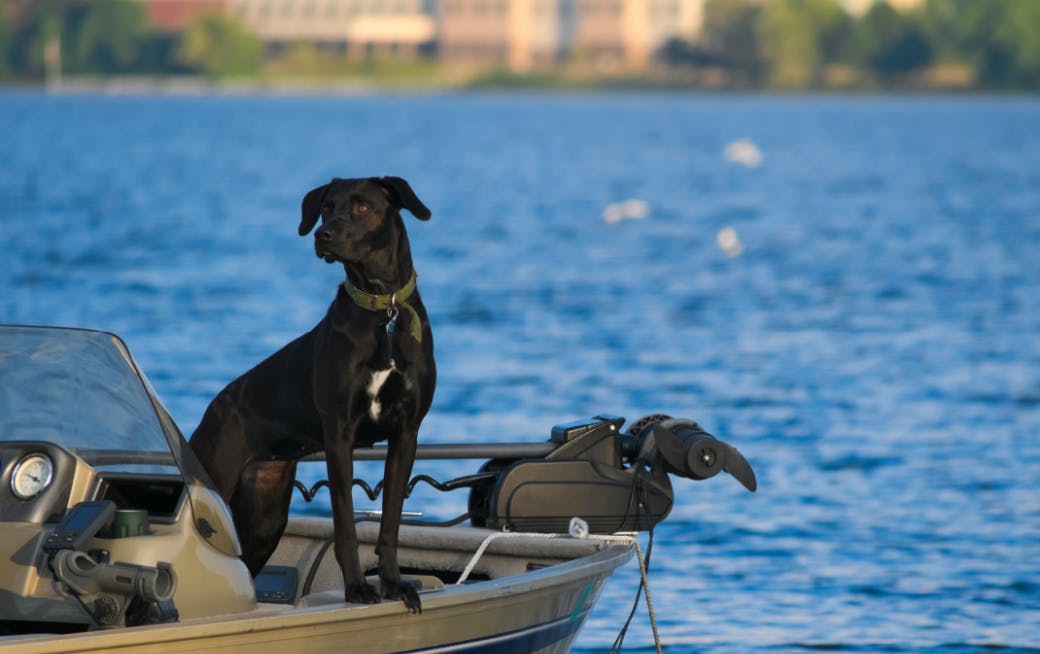
Water activities on our lakes and rivers pose risks of drowning, strong currents, and cold shock. And don’t forget that severe weather, including lightning and high winds, can roll in quickly.
Then there are ticks and mosquitoes, always part of the Northwoods experience. Wildlife encounters are also more likely when food isn’t stored properly.
The hardy Minnesota outdoor enthusiast knows that all these common North Country hazards can be avoided with a few practical precautions as follows:
- Supervise children closely near fires, grills, and water. Keep fires in designated rings, maintain a safe perimeter, and have an extinguisher or water bucket within reach.
- Use grills and heaters only in well-ventilated outdoor areas, store fuels safely, and never run generators inside tents, RVs, or cabins.
- Set tents on level ground away from dead limbs and a safe distance from fire rings, and keep walkways clear; use headlamps at night.
- On the water, wear properly fitted life jackets and know local conditions before launching.
- Check Minnesota weather forecasts and park alerts before and during your trip, and seek shelter if lightning approaches.
- Protect against insects with EPA-registered repellent, long sleeves and pants, and regular tick checks; store food in sealed containers and follow posted wildlife rules.
If an injury happens … prioritize medical care and call 911 when needed. Report the incident to the campground, park office, or host and request that an incident report be created. Take photos of the scene, equipment, and any hazards, and gather names and contact information for witnesses. Preserve the equipment involved, including heaters, stoves, tools, and defective gear, and keep receipts and manuals.
Then, once everyone is safe, consider speaking with our Minnesota personal injury team. If an injury involves negligence, unsafe premises, or defective equipment, we can review what happened and discuss your options in a free consultation.