
Speed Limits in Minnesota: The Rules You May Not Know
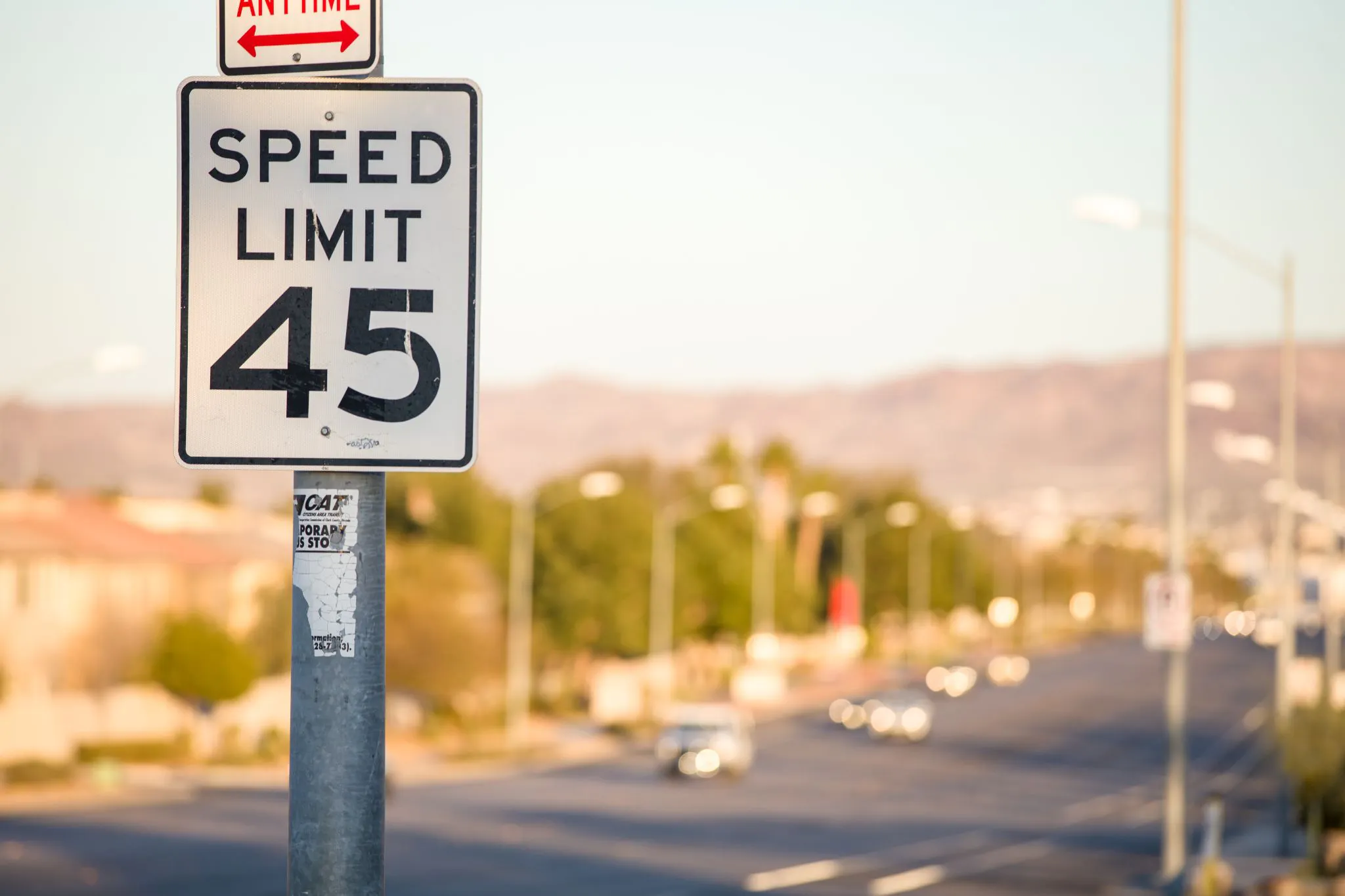
Speed limits are a useful guide for setting a safe speed on the road, but they aren’t the only guiding factor. Driving at the limit can still be dangerous. In fact, it can even land you in legal trouble if conditions call for a slower speed.
How Speed Limits Are Set
Speed limits aren't chosen arbitrarily. Engineers set them using traffic studies, road geometry, crash history, and something called the 85th percentile rule. The 85th percentile rule means the limit is set at the speed at or below which 85% of drivers travel under free-flow conditions on a given road. For example, if 85% of drivers travel at or below 60 miles per hour on a given road, then the 85th percentile rule would set the limit at 60. The idea is that most drivers naturally choose a speed that feels safe, and the limit should reflect that consensus.
However, this system is designed to set a reasonable limit for a road under normal conditions. A 55 mph limit on a rural highway means engineers determined that 55 is a safe speed when the road is dry, visibility is good, and traffic is light. If the road is icy, foggy, or congested, the standard for what’s safe may change.
The "Reasonable and Prudent" Standard
Many drivers think that as long as they’re driving the speed limit, they’re safe and legally protected. In Minnesota, it’s not always so simple. Minnesota Statute 169.14 requires drivers to travel at a speed that is “reasonable and prudent” for the conditions at the time. That rule applies regardless of the posted limit.
Rain, snow, ice, fog, heavy traffic, and construction zones can all affect what counts as a reasonable and prudent speed. Driving at 55 in a blizzard may not be safe or legal, even if the limit says 55. If an accident happens, investigators and courts will look at what a careful driver would have done given everything on the road at that moment, not just what the sign said.
Other Rules to Keep in Mind

In Minnesota, there are plenty of scenarios where the actual speed limit changes depending on the location, time of day, or conditions. Drivers who don’t know these rules can find themselves in violation without realizing it.
School Zones
Reduced limits in school zones apply only during posted hours, typically when children are present. Outside those hours, the standard limit applies. Many drivers slow down out of habit regardless of the time, which is generally fine. Others ignore the reduced limit even when it's in effect.
Work Zones
Work zone speed limits apply whenever workers or equipment are present, not just during active construction hours. Fines in work zones are significantly higher than standard violations, and the limit applies even if traffic is light and the road looks clear.
Residential Streets
Minnesota's default speed limit on urban and suburban streets without posted signs is 30 mph. If you don’t see a sign in those areas, assume the limit is 30.
Rural Highways
Open roads with light traffic can feel like an invitation to push past the limit. Rural areas actually have higher fatal crash rates than urban roads, partly because drivers misjudge safe speeds on long, unfamiliar stretches. Exercise caution even if you feel safe.
Freeway On-Ramps
The limit on most on-ramps is lower than the freeway itself. The goal when merging is to match the flow of traffic safely, not to hit a specific number before the lane ends.
Determining Liability for an Accident
After a car accident, speed is one of the first factors investigators consider. Driving at the posted limit doesn't automatically mean a driver is in the clear, either. If conditions required a slower speed and the driver didn't adjust, the reasonable and prudent standard can be used to establish fault.
For example, if the accident happened because the other driver was driving too fast on icy roads, they may be held responsible for the damage, even if they didn’t exceed the posted speed limit. They may be required to compensate you for any injuries you sustained.
If you were injured in a crash where speed played a role, SiebenCarey can help. Our attorneys have spent over 70 years representing Minnesota accident victims in cases where the “reasonable and prudent” standard applies. Contact us today for a free consultation.