Wildfire safety and prevention for Minnesota residents and cabin owners
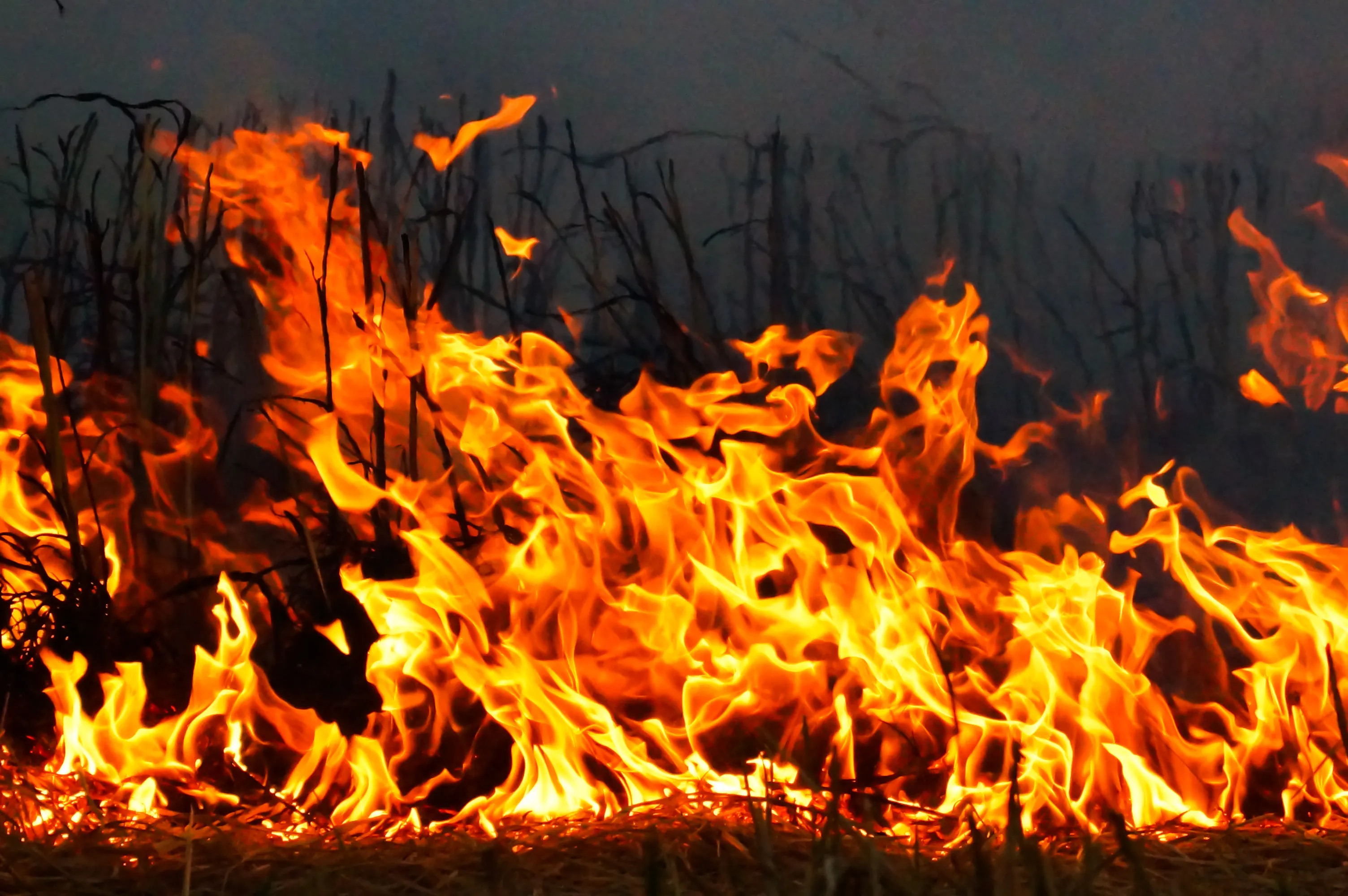
The recent spate of wildfires in Minnesota’s Boundary Waters Canoe Area Wilderness (BWCAW) captured national attention. We are reminded again that Minnesota’s wildfire risk is real, especially during dry spells, windy days, and spring “brown” periods before green-up.
Grass fires can spread fast across prairies, road ditches, and farm fields, and embers can carry into cabin communities and forested areas. Northern pine and mixed hardwood stands, storm blowdowns, and stacked firewood add fuel, while weekend traffic and outdoor recreation increase ignition sources. Staying wildfire-aware protects your family, your neighbors, and the North Woods we all cherish.
Prevention starts at home and the cabin
These tips can prevent and protect homeowners from wildfire hazards:
- Create defensible space by keeping the first 5 feet around structures noncombustible, moving firewood and propane away from buildings, cleaning roofs and gutters, and thinning ladder fuels under trees.
- Clear brush along driveways so fire engines can get in and you can get out.
- Check for burning restrictions before any outdoor fire.
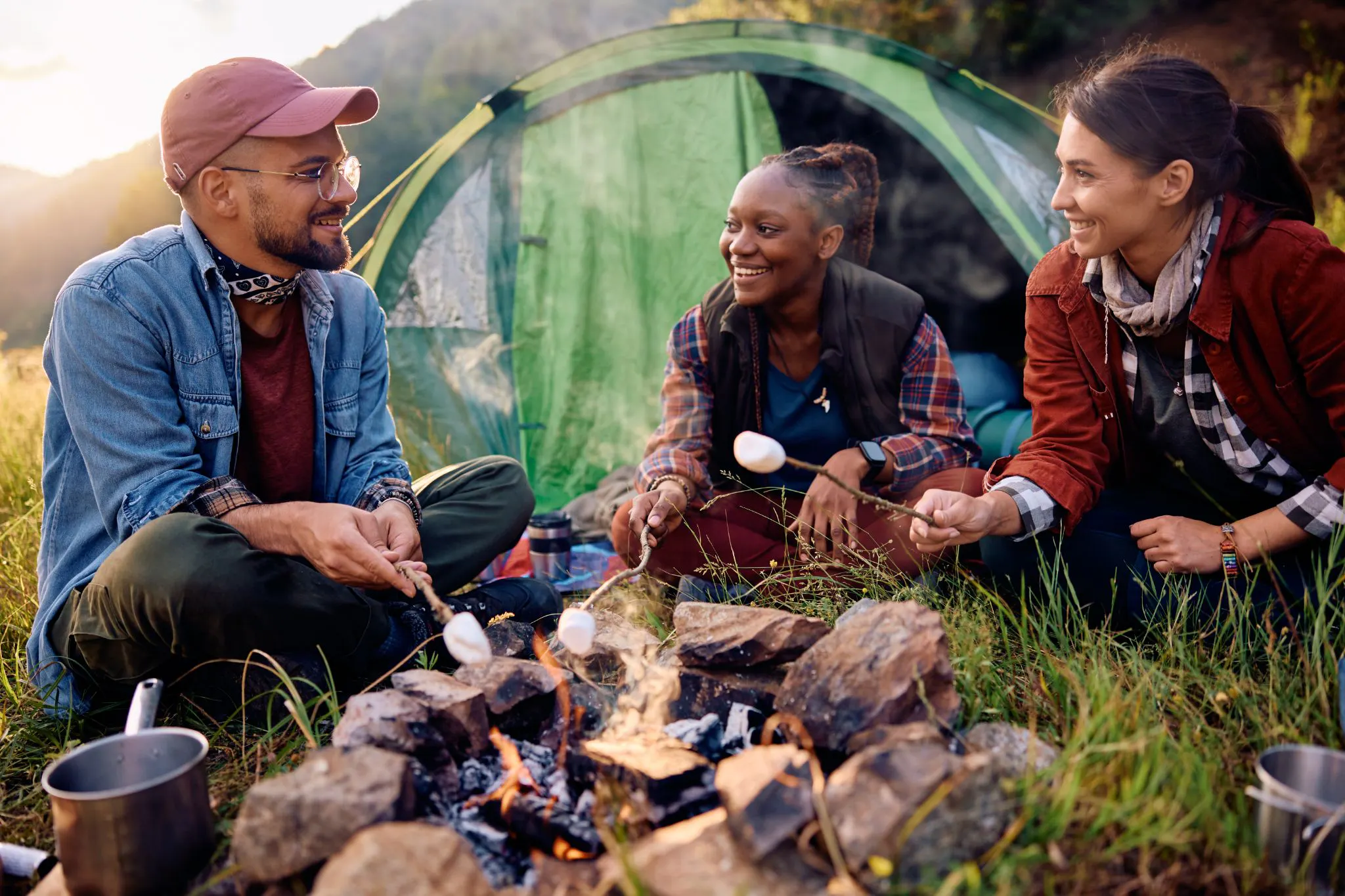
- Build and use campfires only in designated rings, keep them small, have water and a shovel ready, and drown, stir, and feel for heat until cold.
- Maintain equipment; hot exhausts and sparks from ATVs, lawn mowers, chainsaws, and trailers can ignite dry grass. Use approved spark arrestors, avoid mowing or cutting on red-flag days, secure and shorten trailer chains, and dispose of cigarettes in sturdy, water-filled containers—never on the ground.
Heed Air Quality Warnings
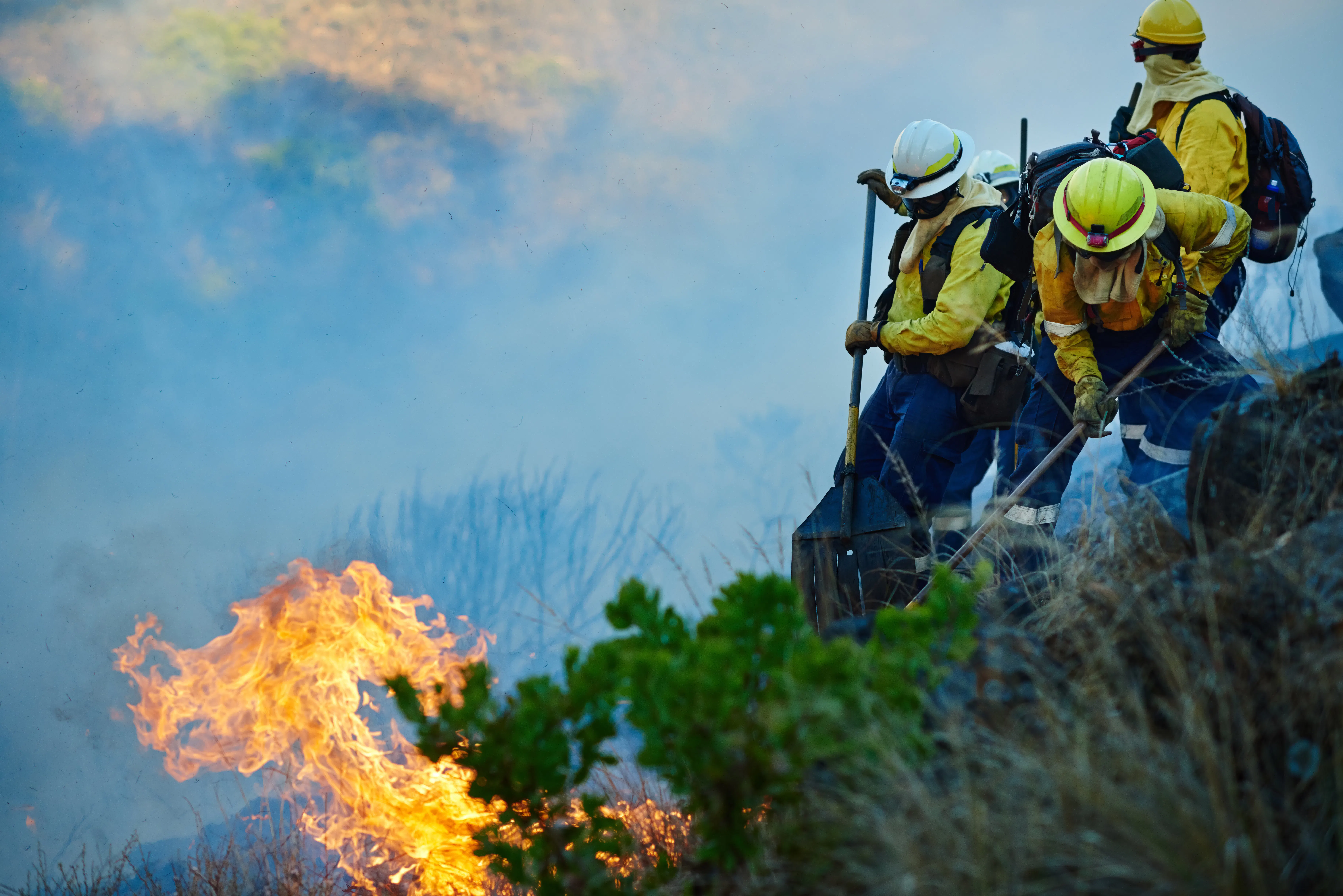
Smoke can travel hundreds of miles, so protect your lungs when the Air Quality Index rises. Monitor AQI forecasts, limit outdoor activity on smoky days, and keep windows closed. Run HVAC on recirculate with a clean, high-efficiency filter, or use a portable air purifier sized for your room. Properly fitted N95 respirators can reduce smoke particle exposure during necessary outdoor tasks; cloth masks and surgical masks do not filter fine smoke well. Children, older adults, and people with asthma or heart and lung conditions should take extra care, follow action plans, and have rescue inhalers accessible.
Be ready to evacuate
Pack a go-bag with water, shelf-stable food, medications, copies of key documents, phone chargers, headlamps, basic first aid, and supplies for pets. Plan two ways out of your neighborhood or cabin area and keep driveways and address markers visible. Enroll in local emergency alerts, keep your gas tank at least half full, and practice quick departures. If officials issue an evacuation order—or if you feel unsafe due to fire behavior or smoke—leave early rather than waiting.
Know when to take legal action
If you or a loved one is injured, or your property is damaged, because someone acted negligently—such as unsafe burning, equipment sparks, or dragging trailer chains—you may have legal options. Our firm can evaluate potential claims and help you understand next steps. Contact us to discuss your situation in a confidential consultation.