
Camping Safety Tips for Your Next Minnesota Adventure
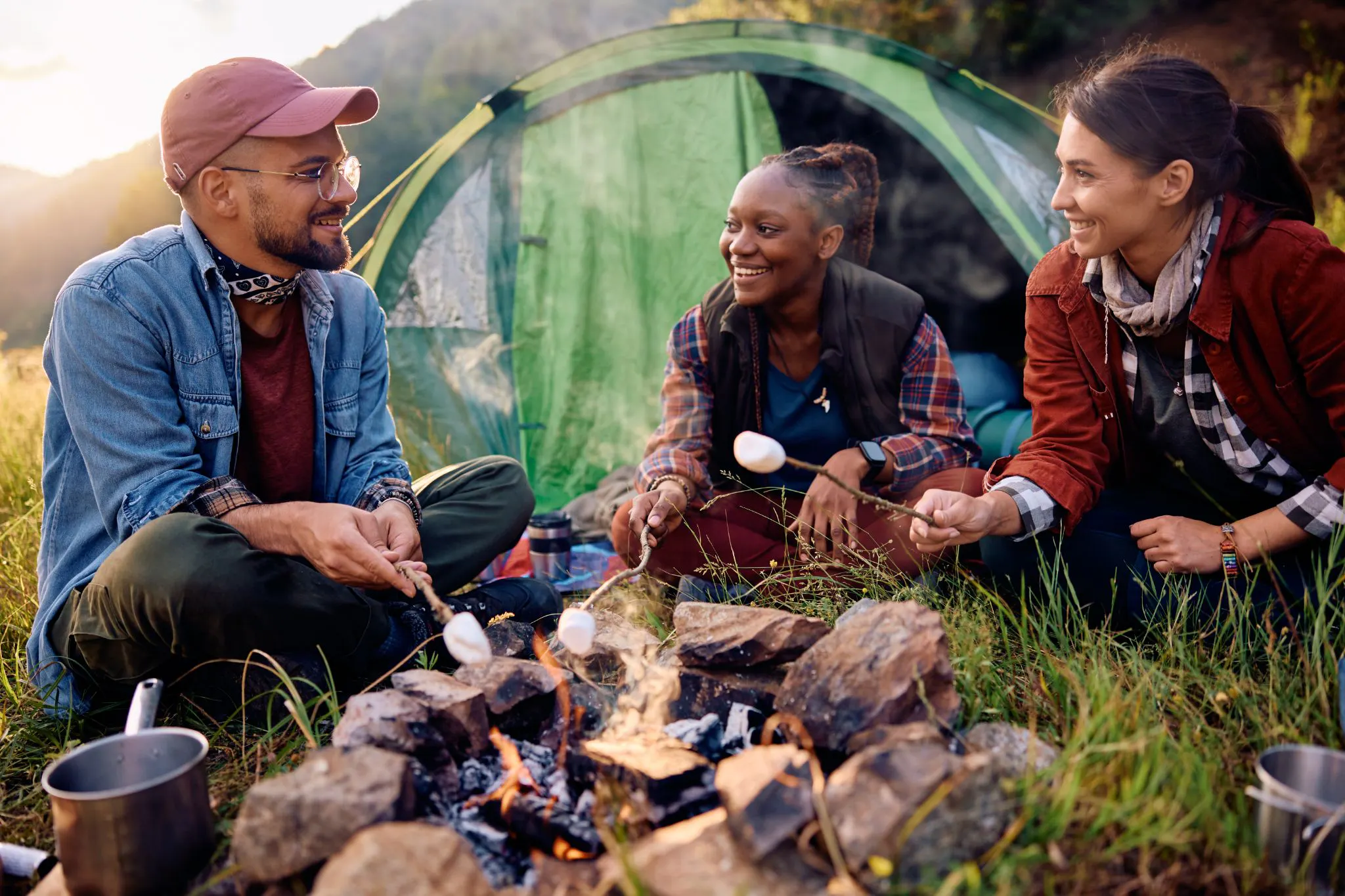
Minnesota has some of the best camping destinations around. With more than 60 state parks, thousands of lakes, and the vast expanse of the Boundary Waters Canoe Area Wilderness, there is no shortage of places to pitch a tent or park an RV. But just like any outdoor recreation, camping isn’t without its risks.
Fortunately, with a little planning, most camping injuries are preventable. Whether you are a first-time camper or a seasoned pro, here’s how to stay safe out in the wilds.
Gear and Preparation
The best thing you can do for campsite safety is prepare everything you need before you leave. A well-stocked pack can prevent emergencies and make a real difference if something goes wrong.
Bring a First Aid Kit
A basic first aid kit should go on every camping trip, no exceptions. At a minimum, pack:
- Bandages and gauze
- Antiseptic wipes
- Blister treatment
- Tweezers for tick removal
- Pain relievers
- Any personal medications
- An emergency mylar blanket
Pre-assembled camping first aid kits are widely available, but check the contents before you go and replace anything that has expired.
Dress Smart
Minnesota weather is unpredictable. Even a warm summer day can turn cold and wet by evening, especially in the north. Dress in moisture-wicking layers, bring a waterproof outer layer, and pack more warm clothing than you think you will need. Cotton holds moisture and loses insulating properties when wet, so opt for wool or synthetic fabrics for base layers. Sturdy, broken-in footwear is also essential for hiking and moving over rough terrain.
Pack Enough Food and Water
Dehydration and low energy are more dangerous in the backcountry than most people realize. Bring more food and water than you expect to need, accounting for extra physical exertion on the trail. A general rule of thumb is at least two liters of water per person per day, more in hot weather or on strenuous hikes. Pack high-calorie, lightweight foods that do not require refrigeration.
Stay in Communication
Cell service is unreliable across much of Minnesota's backcountry. Before heading into a remote area, make sure at least one person in your group has a charged phone with offline maps downloaded. For trips deep into the BWCA or other areas with no cell coverage, consider a satellite communicator, which can send an emergency SOS signal anywhere on earth.
Campfire Safety
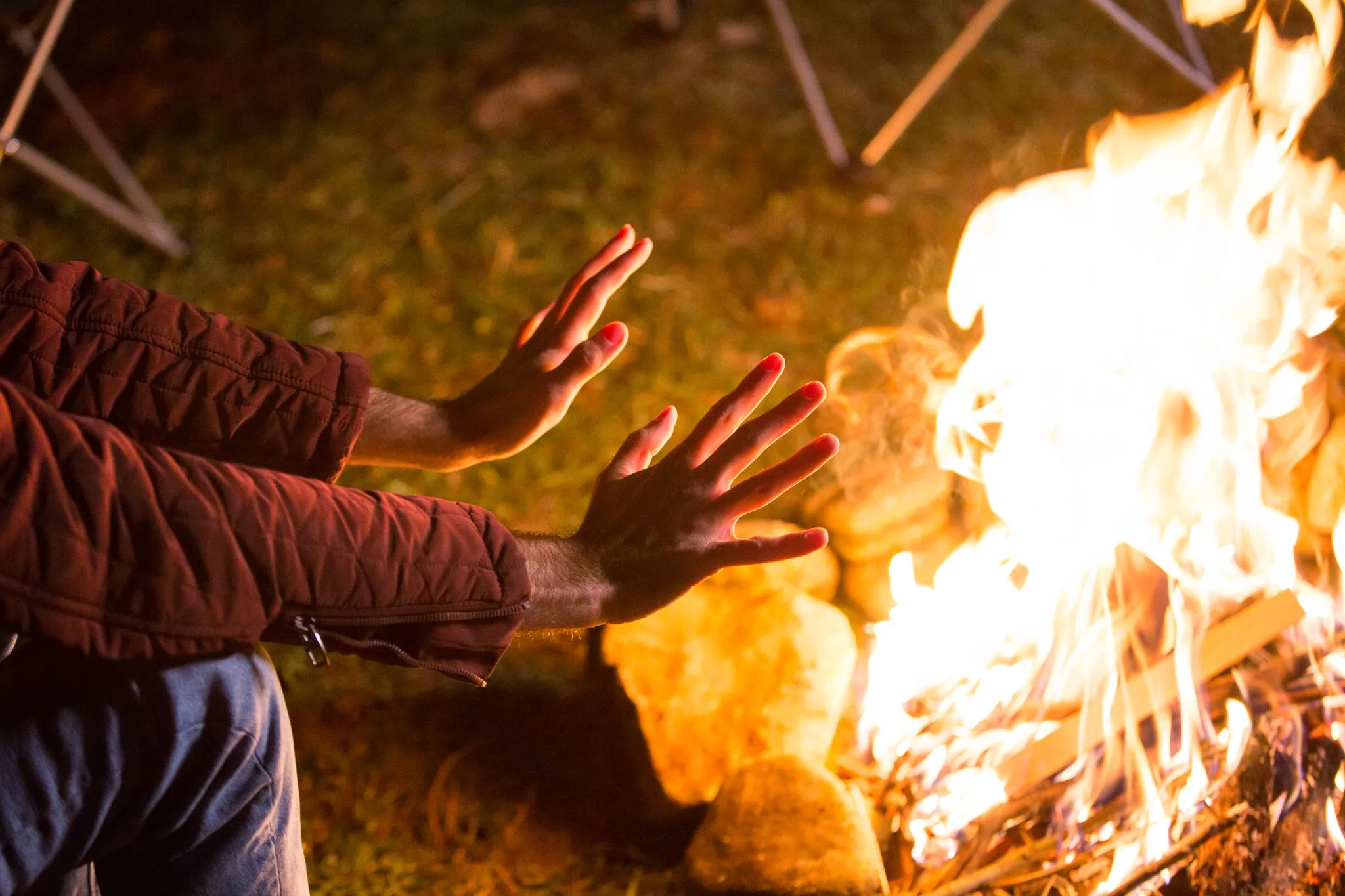
Fires are a staple of the camping experience, and they are also one of the most dangerous hazards. Burns, wildfires, and accidental tent fires can all result from careless fire habits. Following a few simple rules can go a long way to protecting yourself and nature.
Follow DNR Campfire Rules
The Minnesota DNR has guidelines in place for managing fires while camping.
- Campfires should be built in designated fire rings whenever they are available.
- If you are camping in a spot without a designated fire ring, find a level spot well away from trees, low-hanging branches, shrubs, dry grass, and logs, and clear all combustible material within five feet.
- Keep your fire no larger than three feet in diameter and three feet in height.
- Have a shovel and water on hand before you light up.
- Always check for any active burn restrictions before you plan a camping trip, since dry conditions can lead to temporary bans across entire regions. You can find current restrictions on the DNR website.
Never Leave a Fire Unattended
Never leave a fire burning while you sleep or leave camp, even briefly. A campfire can escape in minutes if the wind picks up or an ember lands in dry grass. Before leaving a fire, drown it with water, stir the ashes, and drown it again. The coals should be cool to the touch before you walk away or sleep.
Buy Firewood Locally
This rule surprises a lot of campers. Minnesota prohibits bringing hardwood firewood onto DNR-managed land from outside the state for good reasons. Invasive insects like the emerald ash borer and spongy moth hitchhike on firewood and have already caused widespread tree loss across the state. In fact, the DNR asks that you only use firewood sourced from the local area, since it is less likely to contain pests not already in the area.
Wildlife Awareness
Minnesota's wilderness is full of wildlife. Most of it will leave you alone as long as you leave it alone. However, there are a few tips worth knowing before you head out.
Keep Food Away from Bears
Black bears are common in northern Minnesota, particularly around the Boundary Waters Canoe Area Wilderness (BWCA) and the Superior National Forest. They are generally not aggressive toward people, but they are opportunistic feeders and will raid a campsite if food is accessible.
- Store all food, coolers, and scented items in a bear-resistant canister or hang them at least ten feet off the ground and four feet from any tree trunk, since bears can and will climb for a snack.
- Never keep food in your tent.
- If a bear approaches your camp, make noise, stand tall, and do not run. In most cases, the bear will move on.
Watch for Ticks
Deer ticks are widespread across Minnesota, and our state consistently ranks among the highest in the country for Lyme disease cases. Ticks are most active from spring through fall, which overlaps heavily with camping season. To avoid these tiny pests:
- Wear long sleeves and pants in wooded or grassy areas.
- Apply an insect repellent containing DEET or permethrin
- Perform a full-body tick check at the end of each day.
If you find a tick, remove it promptly with fine-tipped tweezers by grasping it as close to the skin as possible and pulling upward with steady pressure. Watch for a bullseye rash or flu-like symptoms in the days that follow, and see a doctor if either appears.
Repel Mosquitoes and Other Insects
Beyond being a nuisance, Minnesota mosquitoes can carry West Nile virus, though serious cases in Minnesota are relatively rare. DEET-based repellents are the most effective option. Wearing light-colored, long-sleeved clothing and avoiding peak mosquito hours around dusk and dawn also helps. If you are camping near standing water, expect heavier mosquito activity and plan accordingly.
Carbon Monoxide
Carbon monoxide (CO) is an odorless, colorless gas that can build up to dangerous levels quickly in enclosed spaces. While many may not think of this as a traditional hazard outdoors, camping equipment can be a common source of danger.
Know the Common Threats
Camp stoves, portable generators, charcoal grills, and propane heaters all produce carbon monoxide. Using any of these inside a tent, camper cabin, or RV, even briefly, can be fatal. Many CO poisoning deaths happen when campers run a generator or heater overnight for warmth, not realizing the gas is accumulating while they sleep.
- Never use a gas-powered stove, grill, generator, or heater inside any enclosed sleeping space.
- Keep generators at least 20 feet from tents and RV windows, with the exhaust pointed away from the campsite.
- If you are staying in an RV or camper cabin, install a battery-powered CO detector before your trip and test it before you go to sleep. That small investment could save your life.
Watch for the Symptoms
Symptoms of CO poisoning include:
- Headaches
- Dizziness
- Nausea
- Confusion
Because these symptoms can mimic other conditions, CO poisoning can go undetected until it is too late. If a CO alarm sounds or anyone in your group develops sudden symptoms, get everyone into fresh air immediately and call 911.
Water Safety
Minnesota’s handle as “the land of 10,000 lakes” is well deserved, which is part of what makes it such a great camping destination. But drinking from a backcountry stream or swimming in a lake with no lifeguard in sight can both be dangerous.
Treat or Filter Drinking Water at Dispersed Campsites
Designated campgrounds with running water are generally safe, but dispersed campsites and backcountry sites are a different story. Natural water sources in Minnesota, including clear-looking streams and lakes, can harbor bacteria, parasites like Giardia, and other contaminants that will make you very sick.
- Always treat backcountry water before drinking it. Boiling for at least one minute is the most reliable method.
- A quality filter or purification tablets also work and are easier to carry on the trail.
Never Swim Alone or in Unfamiliar Water
Minnesota has thousands of lakes for campers to enjoy. Swimming and boating can both be fun, but where there’s water, there’s danger.
- Always swim with at least one other person, stay within a safe distance of shore, and know your own limits.
- Be especially cautious around unfamiliar swimming spots, where underwater hazards like drop-offs, submerged rocks, and strong currents may not be visible from the surface.
- Be aware of cold water. Minnesota's lakes are cold, even in summer, and cold water dramatically increases the risk of cold shock and swimmer's fatigue.
- Children should be within arm's reach of an adult at all times near open water. Swimming unattended is especially dangerous for children.
Weather and Terrain
Minnesota weather can change fast, and remote campsites leave little margin for error when conditions turn dangerous. A little preparation before you leave goes a long way.
Check the Forecast Before You Leave
Thunderstorms are common across Minnesota, and they can develop quickly. Check the forecast the day before and again the morning of your trip. If severe weather is predicted, consider rescheduling. Once you are in the backcountry, you may have little warning before a storm rolls in. Seek shelter away from open water, hilltops, and tall isolated trees at the first sign of lightning.
Share Your Itinerary
The Minnesota DNR recommends telling a trusted person where you are going and when you expect to return before any backcountry trip. Include your planned campsites, trail routes, and vehicle description. If something goes wrong and you do not return on time, that information can make the difference in how quickly rescuers find you.
Carry a Map and Know How to Use It
As mentioned above, cell service is unreliable across much of Minnesota's wilderness. Do not rely on your phone for navigation. Carry a paper map and compass, know how to use them before you go, and download offline maps to your phone as a backup. If you do get lost, stay calm, stop moving, and use a whistle or mirror to signal for help.
Campsite Injuries
Even with the best preparation, accidents happen. Knowing how to respond in the moment can make all the difference.
Assess the Situation and Call for Help
If someone is seriously injured, your priority is getting emergency help. Call 911 if you have cell service. If not, send the fastest person in your group to the nearest point of contact, whether that is a campground office, a trailhead, or a road. An emergency like this is one of the reasons leaving your itinerary with someone before you leave is so important. Rescuers can reach you faster when they know where to look.
Use Your First Aid Kit
For injuries that are not immediately life-threatening, use your first aid kit to stabilize the injury while help is on the way. Control bleeding with pressure and clean bandages, immobilize suspected fractures, and treat for shock by keeping the injured person warm and still. Do not move someone with a potential spinal injury unless they are in immediate danger.
Document What Happened
Once the situation is stable, note what caused the injury and how it occurred. If a hazardous condition at a campground or on a maintained trail contributed to the accident, photograph it before leaving the area. This information can be important later, whether for insurance purposes or if you decide to explore your legal options.
SiebenCarey Is Standing By
If you or a family member has been injured while camping in Minnesota, the personal injury attorneys at SiebenCarey can help you understand your options. With more than 70 years of experience representing injured Minnesotans, we know how to hold negligent property owners accountable. Contact us today for a free consultation.