
Tips for Walking Safely at Night in Minnesota
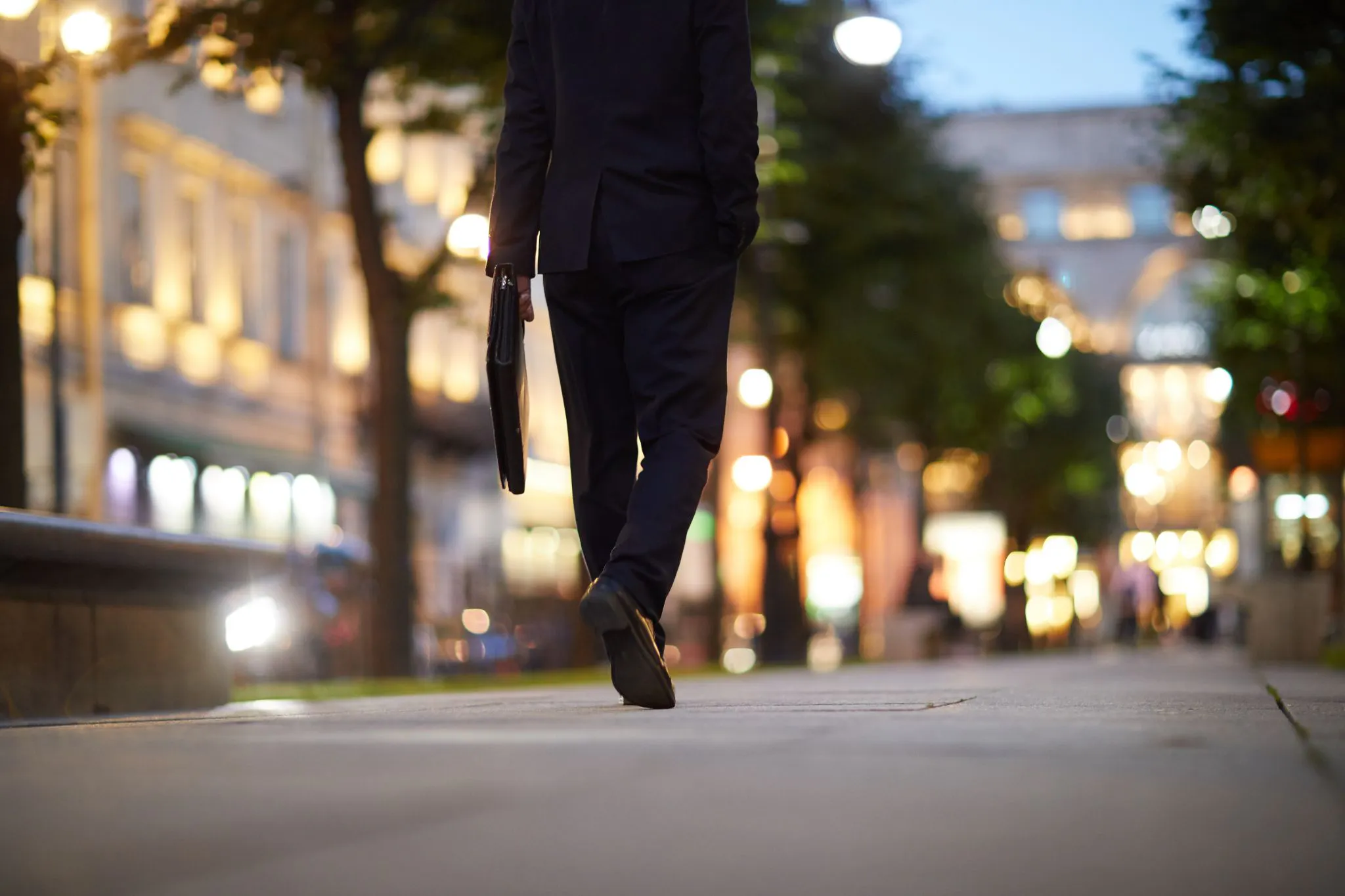
Walking at night is riskier than many people realize. Most pedestrian accidents happen after dark, when visibility is low, and drivers have less time to react. The good news is that with the right precautions, many of those accidents are preventable. Here’s how to protect yourself while you’re out and about after the sun goes down.
1. Plan Your Route in Advance
Before going anywhere after dark, take a minute to plan your route. Choose a route with sidewalks, well-lit intersections, and less traffic. Note where you'll need to cross busy roads, and look out for places where you might be likely to take a wrong turn. Having a plan helps you stay focused on your surroundings instead of trying to figure out where you're going in the dark.
2. Wear Bright Clothing
At night, drivers often have a fraction of a second to spot a pedestrian. One of the easiest ways to stay safe after dark is to make yourself more visible. Wear bright or light-colored clothing, and add reflective gear if you have it. Reflective vests, armbands, and shoe strips can all catch headlights from much farther away than regular clothing. If you don't have dedicated reflective gear, a few strips of reflective tape on a jacket can do the job. Avoid dark colors like black or navy when walking near traffic after dark. Dark colors blend in with the night and make it harder for drivers to see you in time.
3. Bring a Light
A light helps you see where you're going and makes you more visible to drivers. A flashlight, headlamp, or clip-on LED is a great option for walking at night. Headlamps are especially useful, since they keep your hands free. If your light has a flashing mode, consider using it. A blinking light is much better than a steady beam for catching a driver's eye.
4. Stick to Sidewalks When Possible
Under Minnesota law, pedestrians must use a sidewalk if one is available along a roadway. Even if it weren’t the law, it would still be a good idea. Sidewalks keep you away from traffic and give drivers a better idea of where you will be. If your route doesn't have a sidewalk, stay on the shoulder as far from traffic as possible.
5. Always Walk Facing Traffic
If you have to walk on a road without a sidewalk, walk on the left side so you’re facing oncoming traffic. This lets you see vehicles as they approach and gives you a better chance to react. Walking with traffic means vehicles approach from behind, where you might not notice them until they’re on top of you. (Walking toward traffic is also required in Minnesota.)
6. Use Crosswalks
Crossing at a crosswalk is always safer than jaywalking. Drivers are more likely to look for pedestrians at crosswalks than in the middle of a road. However, even at crosswalks, do not assume that drivers see you. If a driver is approaching the crosswalk, stop and wait for the vehicle to pass before proceeding. If possible, make eye contact with the driver to ensure they’ve spotted you.
7. Keep Your Phone Out of the Way
Distracted walking can be just as dangerous as distracted driving. When you're looking at your phone, you're not watching for vehicles pulling out in front of you, cars running red lights, or tripping hazards in your path. When you’re out past dark, put the phone in your pocket and stay aware of your surroundings.
8. Don't Walk Under the Influence
Whether you're behind the wheel or on foot, alcohol affects your balance, judgment, and reaction time. Tragically, roughly a third of pedestrian fatalities had alcohol in their system at the time of the accident. If you've been drinking, the safest option is always to call a ride instead of walking home.
9. Use the Buddy System
Walking alone is riskier than moving in pairs. If possible, bring someone with you when walking after dark. If that isn’t an option, let someone know your planned route and when you expect to arrive. That way, if something goes wrong, they can check on you or call for help.
10. Know Minnesota's Pedestrian Laws
Minnesota has several laws designed to protect pedestrians. Following these rules will keep you safer at all times of day, but especially at night. Broadly speaking, pedestrians must follow all the same traffic signals as drivers, including:
- Traffic lights
- Crossing signals
- Stop signs
Drivers are generally required to yield to pedestrians, even if the pedestrian is jaywalking. However, you should never break the law, and even when following proper etiquette, it’s unwise to presume. Always check your surroundings and proceed with caution when moving near traffic.
Keeping Yourself Safe on Minnesota Roads
By following these tips, you can help protect yourself while walking at night. However, even careful pedestrians can get hurt. If a driver has injured you while on foot, you may have grounds for compensation.
For over 70 years, SiebenCarey has fought for the rights of injured Minnesota pedestrians. Reach out today, and we can evaluate your accident and help you decide the next steps. Consultations are free, and there are no fees unless you win.